You finish a full shift, pack the last bag, and consider starting a six-hour road trip that evening. Traffic may be lighter after dark, and arriving before morning sounds convenient. But the hours you've already spent working are part of the day's mental load. Driving safely after work depends on your sleep, alertness, and schedule, not just the number of miles on the route.
A Full Workday Uses More Energy Than You Think
A busy day involves concentration, decisions, stress, and physical activity. Even desk work can leave you mentally tired, while physical labor adds another source of fatigue. After clocking out, you may still feel energized by the idea of a trip. That initial excitement doesn't establish how alert you'll be three hours later on an unfamiliar highway.
The most important question is how much restorative sleep you've had before the workday and how long you've been awake. A short night, an early start, or a long commute changes the calculation. Someone who has slept well and worked a normal shift may handle a brief drive differently from someone finishing extended overtime. Don't use one blanket rule for everyone. Evaluate your condition and the driving you still need to do.
Evening Driving Often Adds a Second Challenge
Many people experience periods of greater sleepiness during late afternoon and overnight hours. Leaving after a shift may put the hardest part of your drive directly into one of those periods. Darkness reduces visual information, glare from headlights becomes more noticeable, and long, repetitive stretches of roadway may make it harder to stay alert. Rain or unfamiliar construction zones add further workload.
A route that takes six hours on paper can take longer with traffic, food stops, or bad weather. If your estimated arrival time keeps slipping later, don't try to recover minutes by speeding. Choose an overnight stop or delay departure when the schedule no longer supports alert driving. Road-trip planning works better when it includes realistic rest and flexibility, not just a destination arrival time.
Know the Warning Signs Before They Become Severe
Repeated yawning, heavy eyelids, missed signs, wandering thoughts, and difficulty recalling recent miles indicate that your focus is fading. Lane drift or hitting a rumble strip is an urgent warning. Driving while severely drowsy can produce brief lapses in awareness without a clear feeling that you've fallen asleep. Those moments are especially dangerous at highway speed.
If you notice these signs, stop at a safe rest area or exit as soon as practical. A short nap with caffeine may provide temporary relief, but only adequate sleep addresses serious fatigue. Turning up the radio, opening windows, or chewing gum isn't a reliable way to stay awake. If you're too tired to drive safely after resting, end the trip for the day or arrange another rested driver. Don't make the final stretch a contest with your body.
Moving Departure to the Morning Can Be Smarter
Leaving after a full night's sleep often gives you a better starting point than leaving late after work. Pack the vehicle, check the route, and prepare food the evening before if possible. That reduces the pressure to rush in the morning. If you have flexibility, choose a departure time that fits your normal wakefulness pattern and avoids the most difficult traffic or weather conditions.
A hotel stop partway through the journey is another reasonable option. You may travel fewer miles on the first day and finish after rest. If a second driver is available, switching can help distribute the workload, but both people need sufficient sleep. An exhausted passenger taking over the wheel doesn't solve the problem. Build the schedule around safe driving capacity, not a fixed promise to arrive by midnight.
Prepare the Vehicle Before Workday Travel
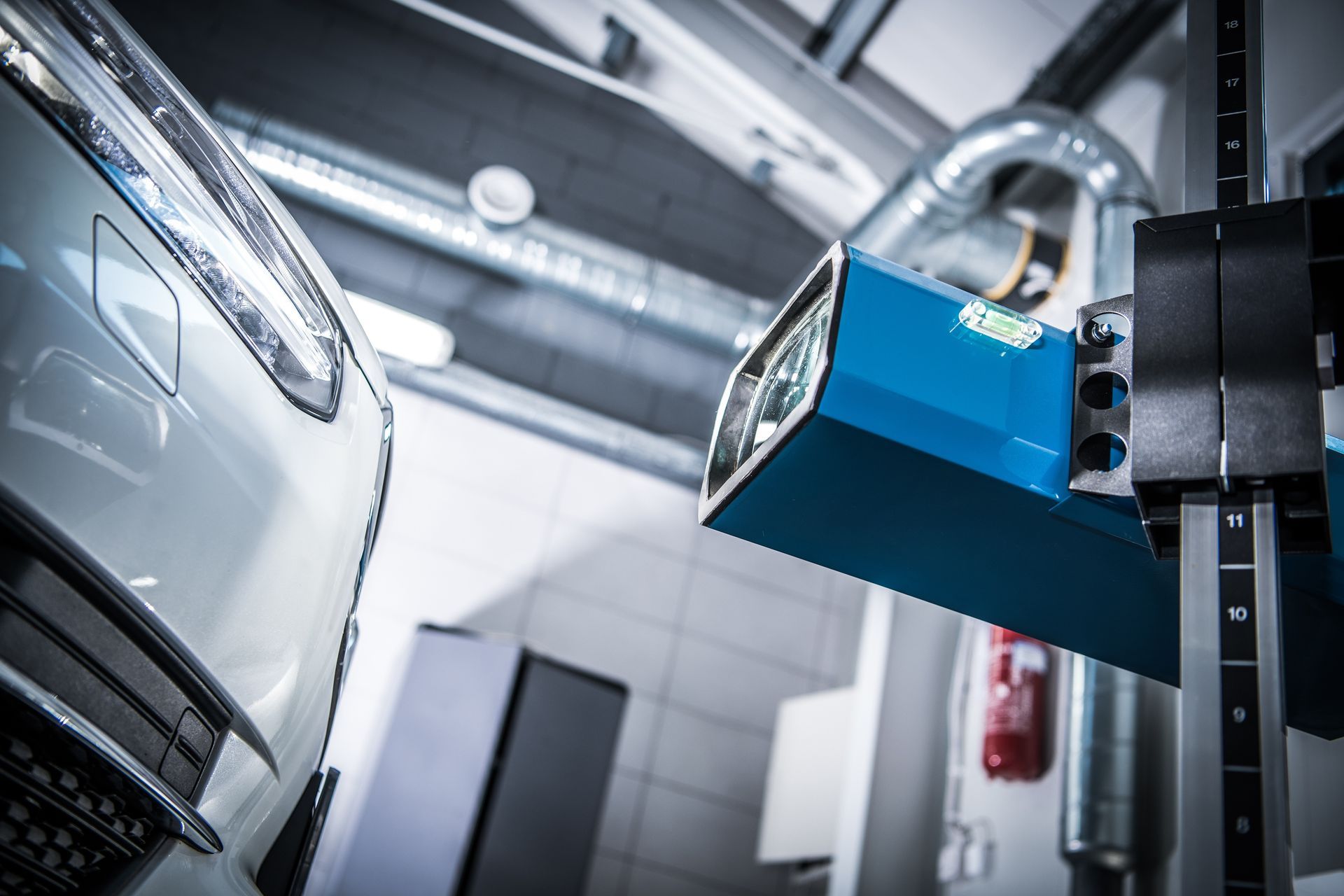
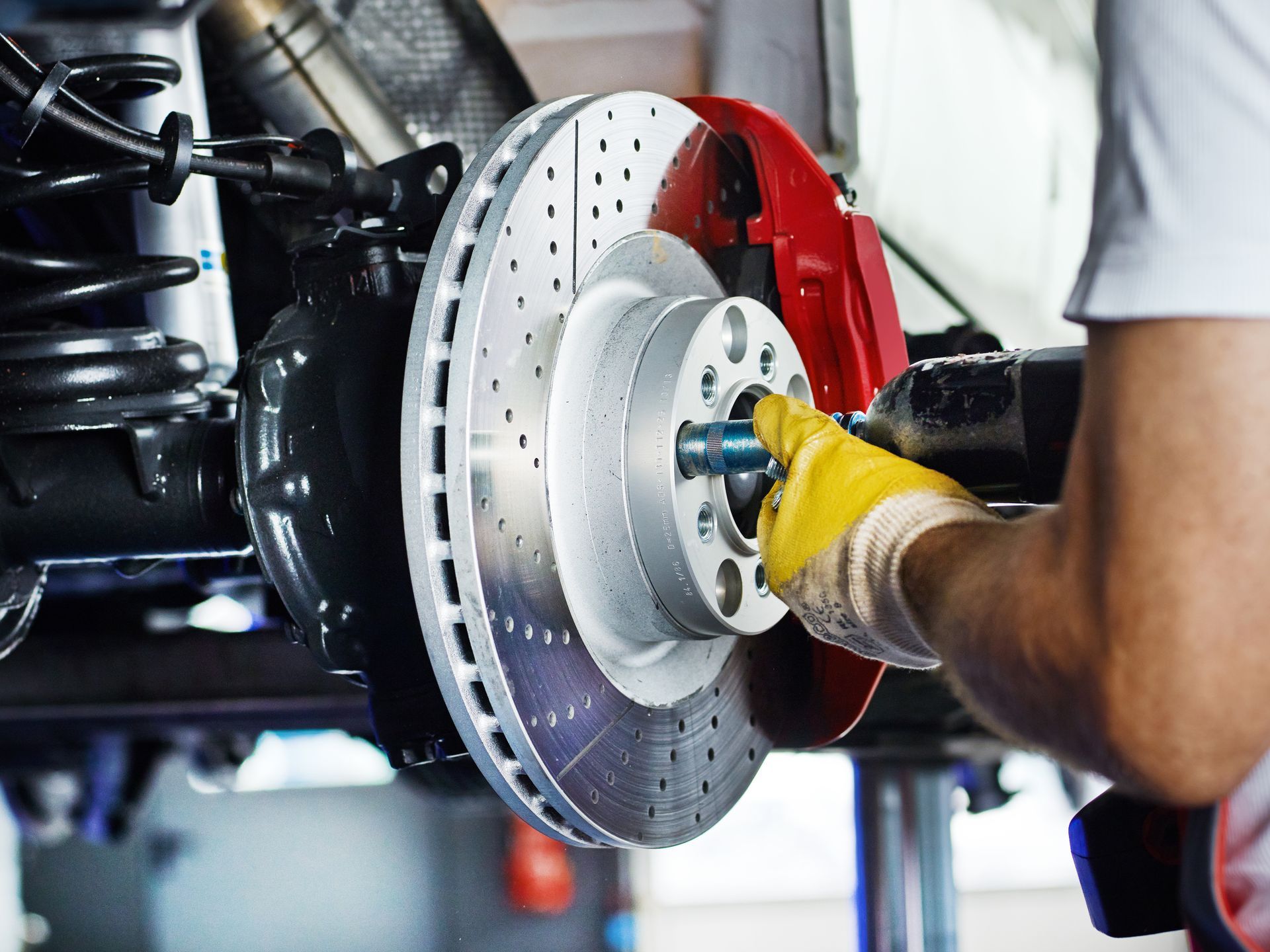
A mechanical problem at the end of a long shift creates more stress and delays. A pre-trip inspection is worth arranging when maintenance is due or when the car has recently shown symptoms. We can review tire wear, brake behavior, lighting, and other concerns that affect night travel. Tire condition, brake response, lights, fluids, and windshield visibility all affect your ability to handle a late drive. The vehicle's condition can't prevent fatigue, but it reduces avoidable distractions once you leave.
Before departure, review these points:
- Enough sleep before the workday
- Realistic route time, including rest stops
- No medications causing drowsiness
- Clear headlights, glass, and mirrors
- Tires, brakes, and warning lights in good condition
Plan a safe place to stop if the first hour is harder than expected. The driver has to make the final decision using current alertness, not the plan written earlier. Never operate the vehicle with an urgent mechanical warning simply to avoid delaying the trip.
Give Yourself Permission to Change the Plan
A late departure may still work for a short, local journey when you're rested and alert, but a long overnight drive after heavy work requires more caution. The right choice might be leaving the next day, taking a hotel break, or allowing a well-rested person to drive. Focus on driving quality, not the pride of finishing in one session. A rested arrival is more valuable than the earliest arrival.
If the car has a recurring vibration, weak headlights, or other mechanical concern, schedule an inspection before relying on it for a late-night trip. Our goal is to identify confirmed faults before you spend hours on an unfamiliar road. Good maintenance supports predictable operation, while good sleep supports your judgment and reaction time. Those are separate responsibilities, and both belong in a safe road-trip plan. You can adjust your departure without losing the purpose of the trip.
Get Pretrip Vehicle Inspection in Phoenix, AZ, With 19th Avenue Garage
19th Avenue Garage in Phoenix, AZ helps drivers review vehicle concerns before a demanding evening or overnight drive. We explain the inspection findings and the recommendations supported by the vehicle's condition.