Steering problems tend to show up most clearly when the car is moving slowly. You may notice the wheel takes more effort while parking, backing out of a space, or making a tight turn, yet the steering feels almost normal once you are traveling at road speed.
That difference happens because the steering system has to work hardest when the tires are barely moving. At low speed, there is more resistance between the tires and pavement, so any weakness in the power steering system becomes easier to feel.
Low Power Steering Fluid Can Reduce Assist
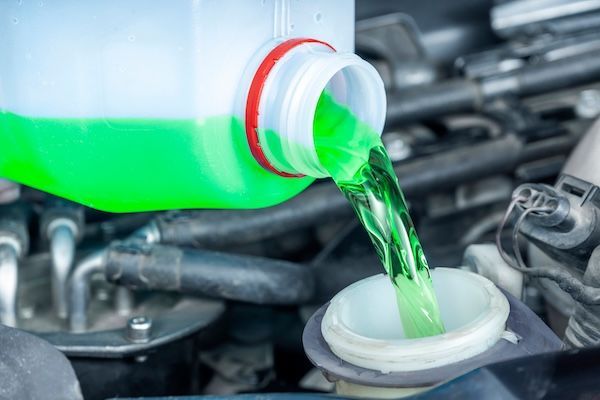
Vehicles with hydraulic power steering rely on fluid pressure to help you turn the wheels. If the fluid level drops because of a leak, the pump may not be able to provide full assistance during parking maneuvers.
The steering may feel heavy, especially when you turn near full lock. You might also hear whining or groaning from under the hood as the pump pulls in air.
At our shop, we check the reservoir level and then look for the cause. Power steering hoses, the pump, steering rack, and fittings can all leak. Repeatedly topping off the reservoir without repairing the leak can eventually damage the pump.
A Weak Power Steering Pump Can Struggle at Idle
On many vehicles, a hydraulic steering pump is driven by the engine. When you are parking, engine speed is low while the steering system demands a large amount of hydraulic assist.
A worn pump may provide enough pressure once engine rpm rises but struggle while the car is idling. That can make the steering feel noticeably heavier in a parking lot than it does on the highway.
One clue is a change in effort when you raise engine speed slightly. Before deciding whether the pump has failed, check pump pressure, listen for abnormal noise, and make sure the belt driving the pump is tight and in good condition.
Electric Power Steering Can Have Its Own Problems
Many newer vehicles use electric power steering instead of a hydraulic pump and fluid. An electric motor provides steering assist based on vehicle speed, steering angle, and input from several sensors.
Because these systems are designed to provide more assistance at low speeds, a loss of assist can be especially obvious while parking. A weak battery, charging-system problem, failed steering motor, torque sensor fault, or control-module issue can all reduce assistance.
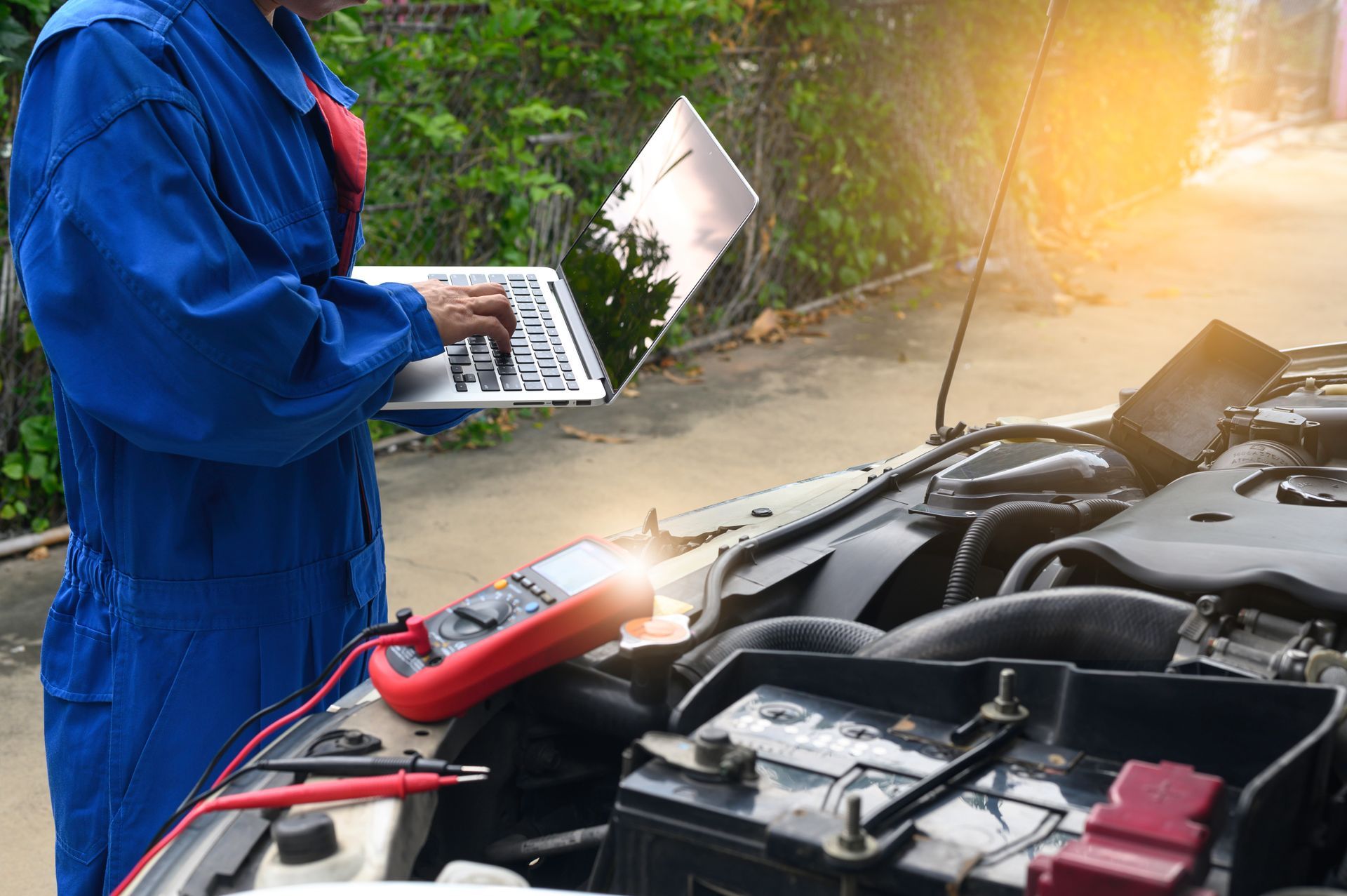
You may also see a steering warning light on the dashboard. During an inspection, we check stored faults and electrical voltage rather than looking for power steering fluid in a system that doesn't use it.
Tire Pressure Can Make Steering Feel Heavier
Before assuming the steering system has failed, check the tires. Low front tire pressure increases the amount of rubber contacting the road and makes the tires harder to turn while the vehicle is barely moving.
The difference can be surprisingly noticeable in a parking lot. Once the car is moving faster, the extra effort may seem much less obvious.
We check all four tires against the pressure specified for the vehicle. If one tire keeps losing air, we look for a puncture, valve leak, or wheel problem rather than treating low pressure as a steering repair.
Steering and Suspension Parts Can Bind
Ball joints, tie rod ends, strut mounts, and other suspension components have to move freely as the front wheels turn. Corrosion, internal wear, or a binding joint can add resistance that the power steering system has to overcome.
A binding strut mount can sometimes make the steering feel notchy instead of simply heavy. You might turn the wheel and feel it resist, then release suddenly as the spring and mount shift.
At our shop, we compare steering effort from side to side and, when appropriate, check whether the wheels move freely with the vehicle lifted. If a mechanical joint is binding, replacing a steering pump will not correct the problem.
Alignment and Tire Size Can Change Steering Effort
Incorrect alignment does not usually create a sudden loss of power assist, but severe alignment problems can change how much effort it takes to steer. Excessive caster or damaged suspension geometry after an impact can make the wheel harder to turn and return differently after a corner.
Oversized or unusually wide tires can also increase steering effort at low speeds. More tire contact with the pavement means more resistance during parking maneuvers.
If the steering became heavier after new wheels, tires, suspension work, or a hard curb impact, tell us when the change started. That history can save time by pointing us toward the part of the vehicle that changed.
Do Not Ignore a Sudden Increase in Steering Effort
A small increase in effort that develops gradually is different from steering that suddenly becomes very hard. A broken drive belt, major fluid leak, electrical steering fault, or failed pump can remove most of the assistance with little warning.
If the steering warning light comes on or the wheel suddenly becomes difficult to turn, avoid unnecessary driving until you know the cause. Regular maintenance can catch worn belts, low fluid, weak batteries, and developing leaks before they reach that point.
Get Power Steering Repair In Phoenix, AZ, With 19th Avenue Garage
If your steering has become harder during parking, tight turns, or other low-speed driving, 19th Avenue Garage in Phoenix, AZ, can check the power steering system, tires, electrical supply, and suspension components to find what is reducing the assist.